Finding the Real Madonna (Edvard Munch)
In 1894, Edvard Munch completed the first of several paintings he would alternately call Madonna and Loving Woman — and the tension between those two titles has never fully resolved.
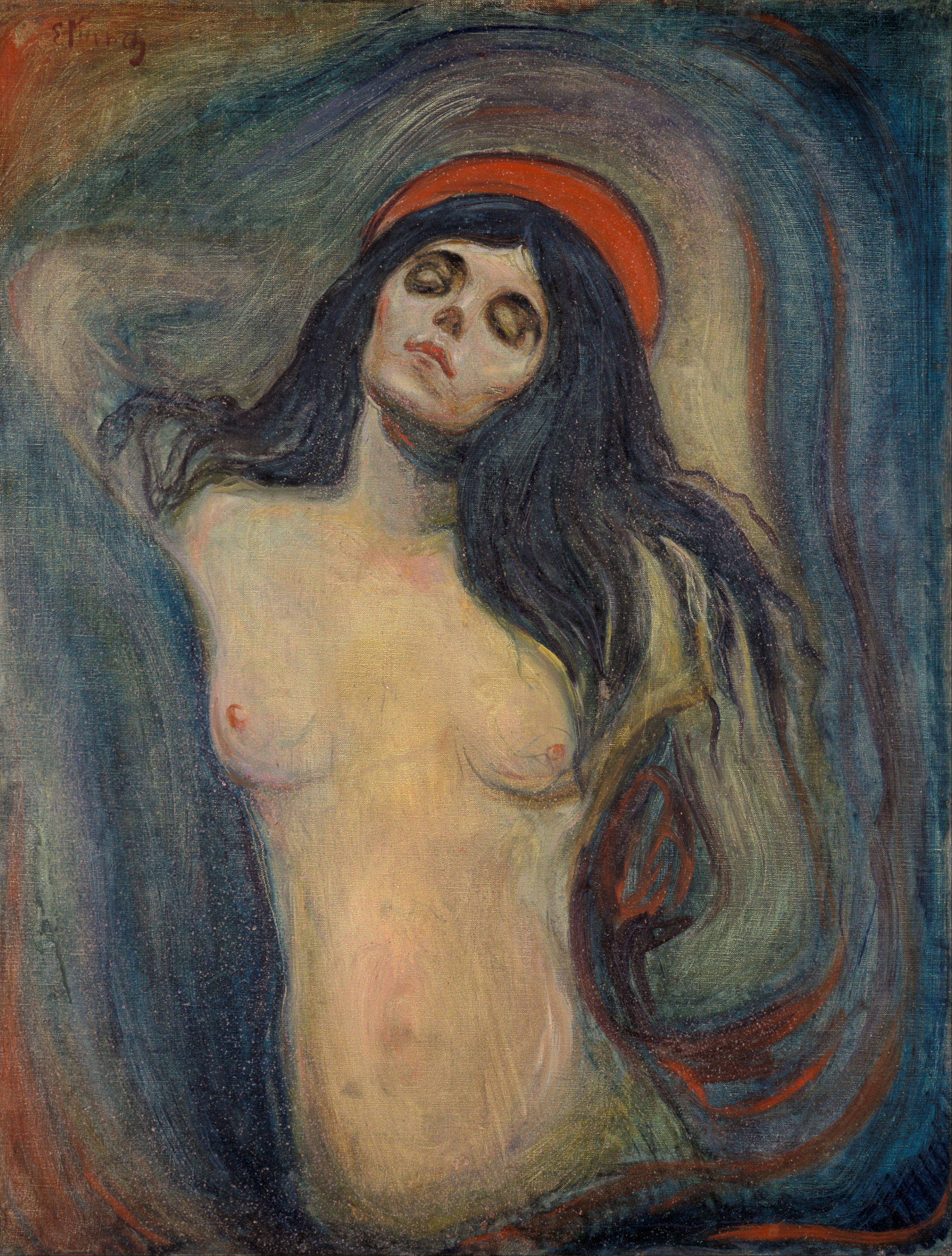
From the beginning it was controversial. Munch’s titles invoke the Virgin Mary while the pose is anything but devotional — a bare-breasted woman, head thrown back, eyes closed, floating in what reads unmistakably as erotic abandon. A red halo hovers above her. Critics and public alike fought over its meaning. Then the drama deepened: between 1894 and 1897, Munch went on to paint five versions of the same image, and later produced lithographs — some with a border of stylised spermatozoa and a small foetal figure in the corner — that reached an even wider audience.
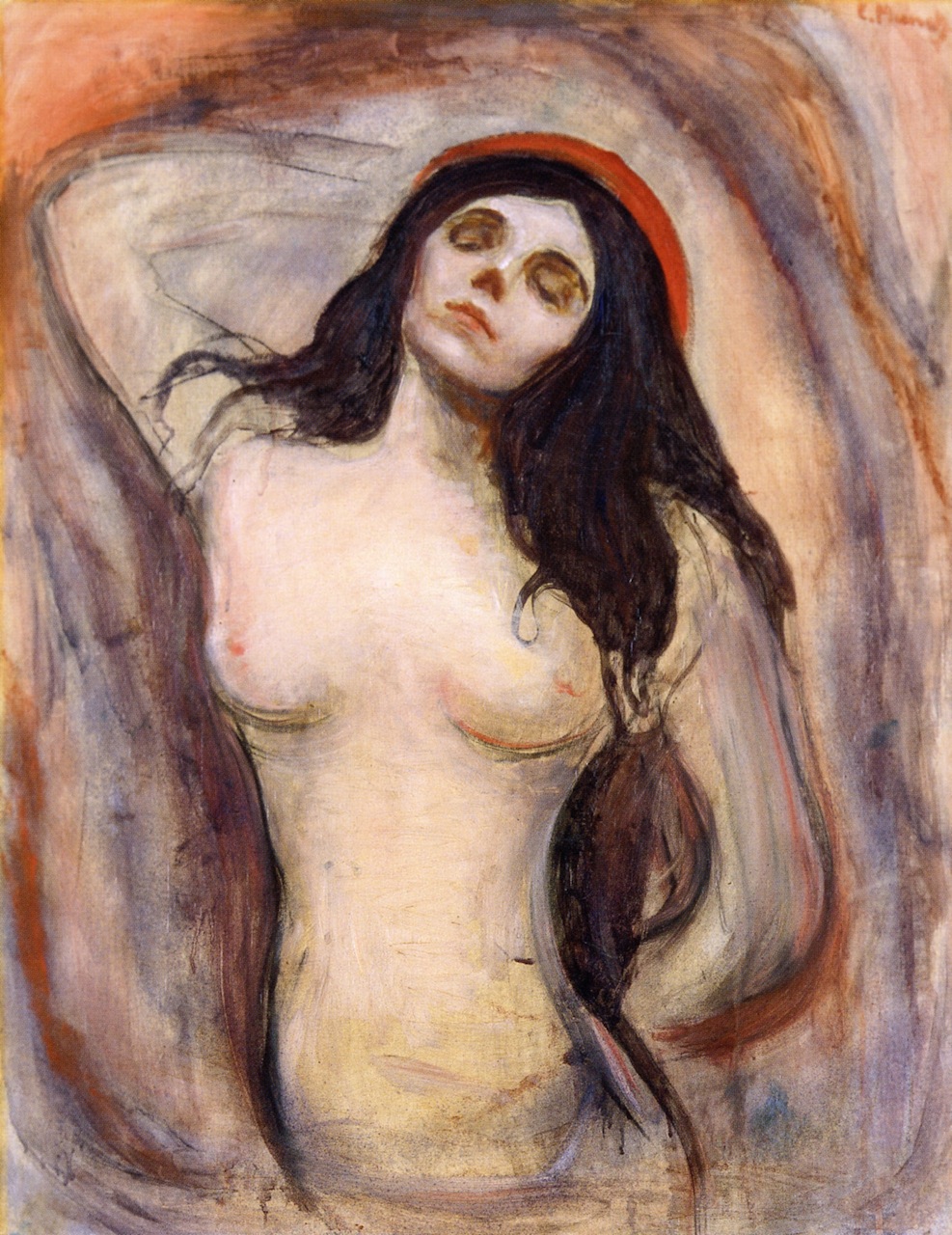
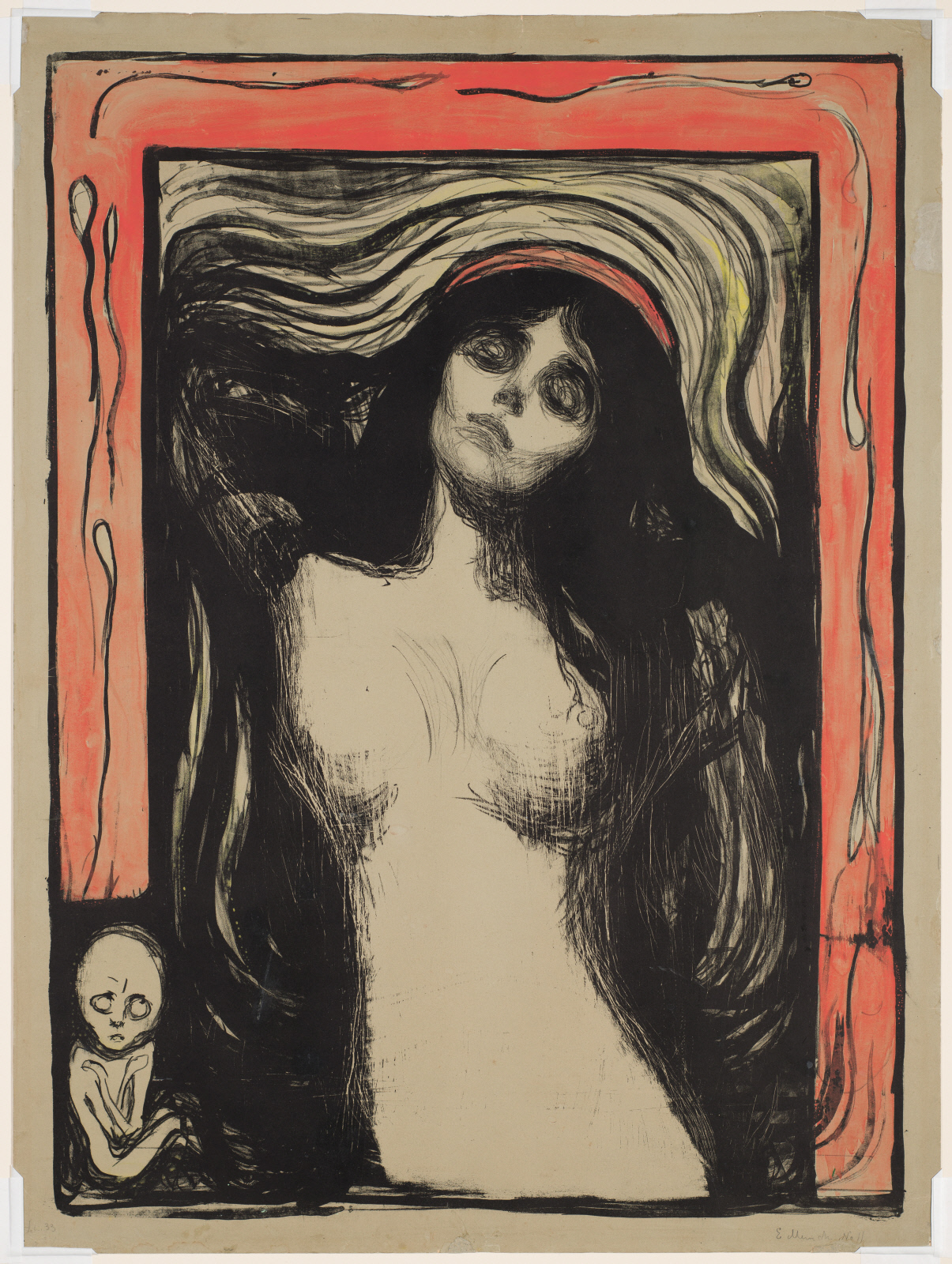
Some of his reasons for returning to the subject were frankly commercial — it is financially rewarding to be able to sell a sought-after painting more than once. With the lithographic versions, Munch wanted to reach a broader public (think posters of Marilyn Monroe by Andy Warhol). But most interestingly for our purposes, he found this subject both complex and compelling, and he wrestled with how best to understand her, and what dimensions of that understanding to put before the world. Art historians have produced a substantial body of work on these paintings, reaching quite different conclusions about the meaning of the individual pieces and the arc of Munch’s intent over time. If you’re curious, those essays are easy to find. But before you go looking — sit with your own interpretation first.
Munch understood something that took critics decades to accept: the same subject, revisited, doesn’t exhaust itself. Each version opens a new door. That’s as true in our catalog as it was in his studio.
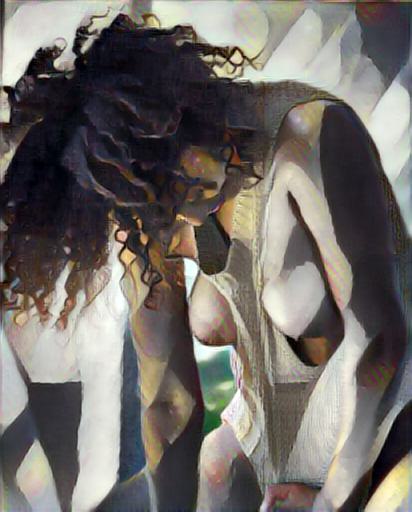
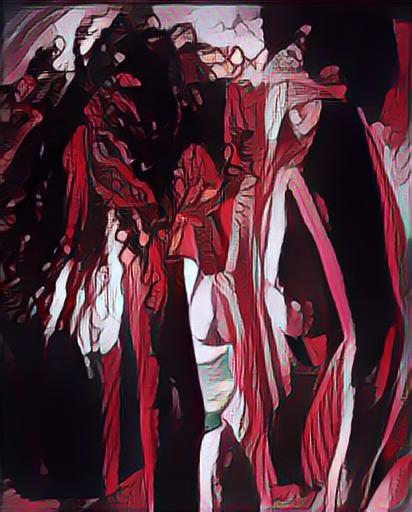
Now it’s your turn. Here are two versions of Portrait 1196 from our catalog, suggesting radically different readings of the same figure. Visit that page and you will find ten more. Make her a favourite, and you can see her rendered in all three hundred styles.