For the Want of Texture
Look at the painting below. You have probably seen it a hundred times without ever learning its name — on a calendar, a print, a waiting room wall. In person, it is glorious, and a great deal of that comes down to texture.
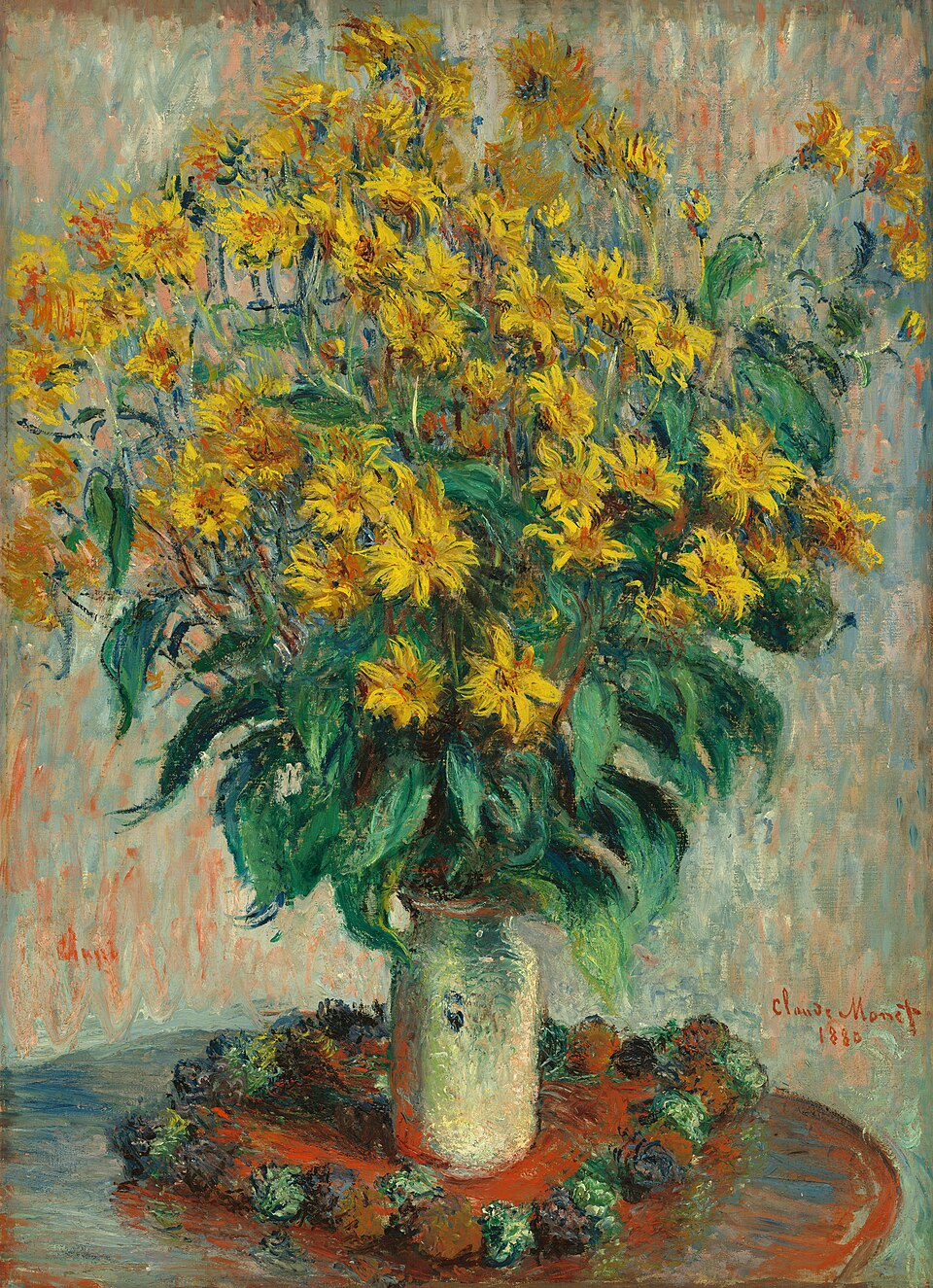
Now, let’s talk about when texture goes missing.
Think about the most powerful fine art nude painting you have ever seen. The one that, if it hung in your home, you would return to again and again. You could probably own a museum-quality print of it today — one that, from across the room, would be indistinguishable from the original. But you don’t have that print. And if you did, you would rarely look at it, and never with any real satisfaction. It’s worth asking why.
The answer, I think, is texture. Real texture. Texture that lets you feel the work being constructed — the decisions, the corrections, the pressure of a hand that knew exactly what it was doing. Through that surface you connect with the vision, the passion, the skill of another human being. The object carries the person. A print carries neither.
Now think about the most powerful black and white portrait you have ever seen — a Diane Arbus, maybe, or something with that same unflinching quality. You love it for the moment it captures, the human drama it exudes — and for something harder to name: the way great black and white photography strips away the superfluous and delivers an image that feels more authentic than life itself. If you’re lucky enough to own a print of that photograph, you may find yourself returning to it most every day. The print is the work. There is no loss in translation.
But can you bring to mind a color photograph that has that same hold on you? I cannot. Even William Eggleston — the man most responsible for convincing the art world color photography belonged in a gallery at all — gets more intellectual respect than genuine devotion. Color photography sits in a strange middle place — more information than black and white, but somehow less feeling. Make of that what you will. I find it fascinating and a little maddening.
Which brings us to digital abstract impressionist nudes. And to a question worth sitting with: is there an emotional ceiling to how powerful this art form can be?
Let’s be precise about what we’re asking. Viewed on a screen, transiently, the sky seems to be the limit. There are genuinely original pieces here that will stop you cold. On this site alone, perhaps one percent of the images — still nearly five thousand — are strong enough that you might want to return to them. Of those, maybe one in fifty is something you’d welcome on your screen most every day. We are now talking about fewer than a hundred images out of half a million. That’s a real signal.
Now take your favorite of those and imagine it printed at thirty by forty inches. (At present this is purely hypothetical — the images here are rendered at low resolution, and I promise you the results would be disappointing.) But suppose the technology existed. My contention is that even your most beloved image, printed large and hung on a wall, would become just another largely-ignored piece — like the museum print of Monet’s Jerusalem Artichoke Flowers that many of us have had on our walls for years without ever really seeing anymore.
What’s going on? I think digital abstract impressionism suffers the same predicament as color photography. It lacks the of-the-moment authenticity that makes great black and white photography feel more real than reality. And without texture, it doesn’t carry the vision, passion, and technique that make fine art painting feel inhabited by a person.
I could be wrong. That’s the smart money bet, frankly. If you have a digital abstract impressionist nude on your wall that gives you genuine pleasure every day — a famous piece printed large, or an original printed just once — then good for you, and I mean that sincerely. But if you don’t, consider this: find the images that move you on screen, and then work with a traditional artist to translate them into something made for walls. Something with a surface. Something that carries a person.
This site is a place for enjoyment, learning, and inspiration. It is also, we hope, a door.